Pink Lotus: Beauty & Purity

Pardeep Singh
| 03-02-2026
 · Plant Team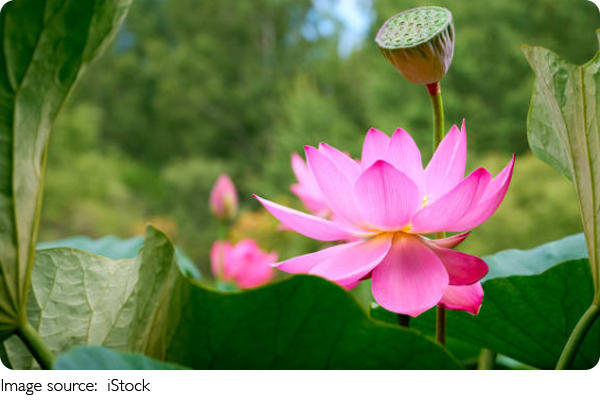
The pink lotus flower, revered across cultures and centuries, embodies a profound blend of beauty, symbolism, and resilience.
Known scientifically as Nelumbo nucifera, this aquatic plant captivates observers not just with its delicate petals and vibrant hue but also with its ability to thrive in muddy waters while maintaining immaculate blooms.
Its unique combination of aesthetic appeal and symbolic depth has cemented the pink lotus as a powerful emblem of purity, enlightenment, and renewal.
Origins and Symbolism
Native to Asia, the pink lotus has been valued in cultural traditions for millennia. The flower’s ability to rise unblemished from murky waters symbolizes human resilience—the capacity to remain pure and graceful amid life’s challenges. In art and literature, the pink lotus often represents elegance, serenity, and beauty, becoming a universal symbol of balance and inner harmony.
Interestingly, the flower’s color carries nuanced meaning. Soft pastel pinks evoke calmness, compassion, and subtle beauty, while deeper shades suggest love, devotion, and spiritual depth. This interplay of color and symbolism contributes to the flower’s enduring presence in temples, meditation gardens, and ceremonial displays.
Unique Botanical Characteristics
The pink lotus is more than a visual marvel; it is a botanical wonder. The plant thrives in shallow ponds, lakes, and wetlands, where its roots anchor in muddy substrates while stems and leaves rise above the water surface. Its large, circular leaves are water-repellent, exhibiting a remarkable natural phenomenon known as the “lotus effect,” which allows them to shed water and resist contamination.
Flowering occurs during warmer months, with blooms opening in the morning and closing by late afternoon. Each flower can reach a diameter of up to 12 inches, displaying numerous layers of soft pink petals that gradually lighten toward the edges. Unlike many other aquatic plants, the pink lotus can maintain its pristine appearance despite the murky environment—a testament to both evolutionary adaptation and symbolic significance.
Cultivation and Growth
Cultivating pink lotus flowers requires an understanding of their aquatic environment and growth patterns. They thrive in full sunlight, needing at least six hours of direct light daily to encourage healthy blooms. Water depth is also crucial; too shallow and roots may dry out, too deep and stems may struggle to reach the surface. Nutrient-rich soil or a specialized aquatic substrate promotes robust growth, while periodic fertilization during the active growing season supports flower development and leaf expansion.
Temperature plays a vital role in blooming cycles. Pink lotus plants flourish in warm, humid climates, with water temperatures ideally between 75°F to 85°F (24°C to 29°C). In regions with colder winters, the tubers can be overwintered in controlled conditions to ensure survival and regrowth the following season. Unlike many ornamental plants, the pink lotus demonstrates resilience, enduring variable water levels and occasional temperature fluctuations without losing its elegance.
Cultural and Medicinal Uses
Beyond their aesthetic and spiritual value, pink lotus flowers have historically been used in traditional medicine. Various parts of the plant—including petals, seeds, and roots—contain compounds with antioxidant, anti-inflammatory, and calming properties. Seeds are often used in teas and desserts for their subtle nutty flavor and nutritional benefits, while extracts from leaves and petals are incorporated into herbal remedies aimed at promoting relaxation and improving digestion.
In cultural ceremonies, pink lotus flowers are often presented as offerings or incorporated into artistic installations. Their presence symbolizes not only visual beauty but also respect, devotion, and spiritual intention, making them integral to rituals and meditative practices across Asia and beyond.
Appreciating the Pink Lotus
The allure of the pink lotus lies in its perfect balance of visual splendor and symbolic depth. Observing a bloom rise gracefully from opaque water serves as a reminder of resilience, purity, and the potential for beauty in even the most challenging circumstances. Its petals, delicate yet enduring, create a visual experience that captivates the senses while inspiring introspection.
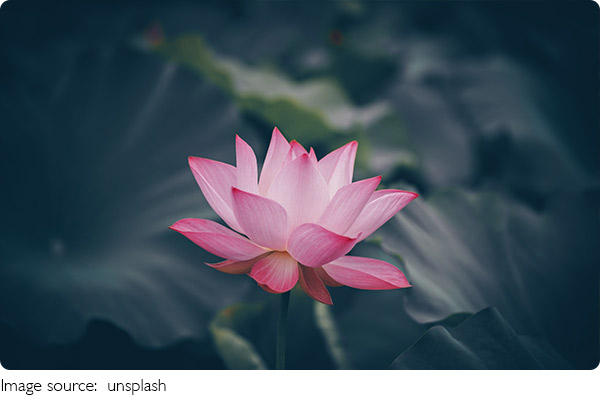
From a gardener’s pond to a cultural altar, the pink lotus continues to embody harmony between nature, spirituality, and artistry. Each bloom is a testament to the delicate balance of life—where beauty, strength, and purity coexist seamlessly. Witnessing a pink lotus in full bloom is more than an aesthetic experience; it is an invitation to pause, reflect, and connect with a deeper sense of grace and serenity that lingers long after the petals have closed.