Perfect Desk Setup

Ravish Kumar
| 26-02-2026
 · Lifestyle Team
You sit down to work or study, and somehow the chair feels too low, the desk too cramped, and after an hour your back starts reminding you it exists.
The right desk and chair can completely change how you feel in your room. It's not just about looks—comfort, posture, and workflow all depend on these choices.
Picking wisely makes long hours easier and even makes you enjoy your space more.
1. Measure Your Space First
Know your room
Avoid overcrowding
Plan traffic flow
Before buying anything, measure the available area. Include space for movement around the desk and chair, plus room for any storage you plan to add.
Measure the width and depth of your intended desk area.
Consider the clearance behind the chair—at least 60 cm for easy movement.
Think about windows, doors, and other furniture. Natural light is a huge bonus, but avoid glare directly on your screen or workspace.
Actionable tip:
Use masking tape on the floor to outline the desk and chair footprint. This gives a visual sense of the space before buying anything.
2. Choose the Right Desk Height and Size
Ergonomic comfort
Enough surface
Future-proofing
Most standard desks are about 73–75 cm high, but comfort depends on your height and the type of chair you pair with it. Your elbows should rest at a 90-degree angle while typing or writing.
Consider the depth—at least 60 cm to fit a laptop, lamp, and some workspace.
Width depends on your needs: one monitor and a few books may need 100–120 cm, while multiple monitors or large art projects may require 150–180 cm.
Adjustable desks can grow with you or let you switch between sitting and standing.
Actionable tip:
Sit in the chair you plan to use and have someone measure the height from your seat to your elbow. Compare this to the desk height to ensure it's comfortable.
3. Pick a Chair That Supports Your Posture
Back support
Seat comfort
Adjustability
A good chair protects your back and encourages proper posture, which is essential for long hours of work or study.
Look for adjustable height and backrest angle.
A slight curve in the lumbar area supports the natural spine curve.
Soft padding is important, but too soft can sink and strain your posture.
Armrests are optional—if used, they should let your shoulders relax without hunching.
Actionable tip:
Test the chair before buying if possible. Sit for at least 10 minutes to see if your lower back feels supported and your feet rest flat on the floor.
4. Consider Desk Functionality
Storage needs
Organized surface
Technology fit
Think about how you plan to use the desk. Are you mostly using a laptop, or do you need space for books, papers, or drawing tools?
Desks with drawers or shelves help keep clutter off the surface.
Cable management options prevent tangled cords from taking over.
Some desks have pull-out keyboard trays—helpful for ergonomics if using a desktop setup.
Actionable tip:
If you like a minimalist look but need storage, combine a smaller desk with a mobile drawer unit. It keeps the surface clear but provides easy access to supplies.
5. Match Style and Materials
Durable materials
Visual harmony
Comfortable textures
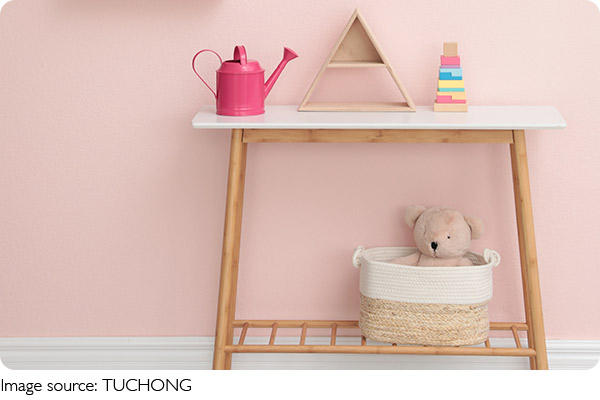
Your desk and chair should feel like part of your room. Wood, metal, glass, or composite materials all bring different aesthetics and maintenance levels.
Wood offers warmth and durability but may scratch easily.
Metal frames are modern and strong, good for industrial or minimal styles.
Upholstered chairs can add comfort and color, but consider cleaning needs.
Actionable tip:
Pick a color or material that complements the rest of your furniture, but also think about practicality—light colors show stains, dark colors hide dust but may feel heavier visually.
Choosing a desk and chair is more than a furniture decision—it's about creating a workspace that supports focus, comfort, and long-term health. Measure carefully, test for comfort, and match your style to your space. When the setup works for you, sitting down to work or study becomes something you look forward to instead of dread. A well-chosen desk and chair transform a simple room into a productive, pleasant sanctuary.