Summer for Houseplants
Nolan O'Connor
| 09-04-2026
 · Lifestyle Team
Many houseplants struggle in indoor conditions, where dry air, low humidity, and limited light make it hard for them to thrive.
But when summer arrives and night-time temperatures rise, moving them outside can mimic their natural rainforest or subtropical habitats—and the benefits are immediate.
With the right care and positioning, your houseplants can flourish during their outdoor summer break.
Why Take Houseplants Outdoors?
1. Rainfall naturally washes leaves, keeping them dust-free and helping plants breathe more efficiently. Indoor plants often miss this essential cleaning.
2. Outdoor air generally has higher humidity, slowing water loss through transpiration. Increased air movement also delivers more carbon dioxide, which helps plants photosynthesize more effectively. Combined with stronger sunlight, this encourages growth, leaf repair, and flower production.
When to Move Plants Outside
1. Subtropical plants, such as Clivia, Cymbidium, and Alocasia, do best outdoors when night temperatures remain consistently above 10–12°C. Others, like peace lilies, Philodendrons, snake plants, and rex begonias, require slightly warmer nights.
2. More delicate tropical species, including Calathea and prayer plants, need nights above 15°C. Check your plant's specific requirements and watch the forecast to find the optimal window for moving them outside.
Choosing the Right Outdoor Spot
1. Houseplants come from diverse habitats, so their outdoor location should match their natural conditions. Most leafy tropical plants prefer bright, filtered light and shelter from direct sun—similar to a rainforest floor.
2. Gradually acclimatize plants to direct sunlight if needed. Cacti and succulents should be protected from heavy rain to prevent root rot, ideally in a covered area or porch. Raising containers slightly off the ground ensures good drainage.
Caring for Plants Outdoors
1. Outdoor conditions increase air movement, which can dry out soil faster than indoors. Monitor soil moisture regularly and water as needed to prevent stress.
2. Position plants to receive gentle airflow over foliage. This not only helps reduce fungal problems but also delivers essential carbon dioxide for photosynthesis, boosting growth and overall plant health.
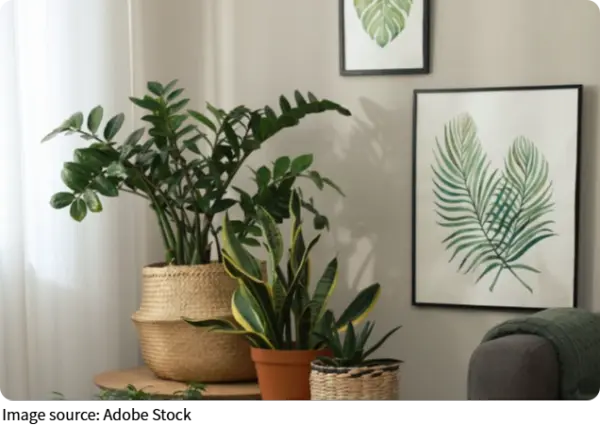
Bringing Houseplants Back Indoors
1. Return plants indoors before night temperatures fall below 10°C. Introduce them first to a cooler room for 2–3 weeks to allow gradual re-acclimatization to lower indoor humidity.
2. Increase local humidity using trays of moist gravel or hydroleca under the containers, or an ultrasonic humidifier, to prevent leaf drop or browning foliage caused by sudden water stress.
Houseplants Best Left Indoors
1. Some tropical plants, like Phalaenopsis orchids, require higher minimum temperatures than typical outdoor conditions and should remain indoors.
2. Sensitive species, such as Ficus benjamina, can react badly to position changes, shedding leaves in protest. These plants thrive best when left undisturbed.
Summary
Taking houseplants outdoors during the summer can dramatically improve their health, appearance, and growth. By carefully monitoring light, temperature, humidity, and watering, you can create conditions that mimic their natural habitat. Gradual acclimatization, proper placement, and attentive care ensure your plants return indoors strong, vibrant, and ready to flourish until next summer. 🌿