Small Kitchen, Big Ideas

Amit Sharma
| 09-04-2026
 · Lifestyle Team
When you open your apartment door and peek into your kitchen, the first thing you notice might be how cramped it feels.
Small kitchens and dining areas often make cooking and hosting feel stressful, like you're constantly bumping into counters or juggling chairs.
But a tiny space doesn't have to limit creativity or comfort. With smart design, clever storage, and thoughtful layout, even a kitchen no bigger than a closet can feel open, practical, and welcoming.
Maximize Vertical Space
In a small kitchen, the floor area is precious, so look upward. Cabinets and shelves that reach the ceiling can store items you use less frequently, keeping countertops clear for prep work.
Tips to implement:
1. Install tall cabinets or open shelving to hold dishes, spices, or pantry items. Use baskets on the top shelves to organize smaller items.
2. Hang pots, pans, or utensils on wall-mounted racks to free up drawer space.
3. Add hooks under cabinets for mugs or kitchen tools, making use of often-overlooked space.
Actionable example: In one studio apartment, a 10-foot wall was fitted with ceiling-height cabinets. The top shelves hold seasonal cookware, while everyday items remain within easy reach, keeping counters uncluttered and visually spacious.
Choose Multi-Functional Furniture
When space is limited, every piece of furniture needs to pull double duty. Multi-functional items can save room while maintaining comfort.
Tips to implement:
1. Use a dining table with extendable leaves so it's compact on most days but expandable for guests.
2. Opt for a kitchen island on wheels that doubles as prep space, storage, and breakfast bar.
3. Select stools that tuck neatly under the table or counter when not in use.
For example, a small apartment combined a rolling island with drawers for utensils and a butcher block top for cutting. On busy nights, it easily slides to create extra floor space.
Light Colors and Reflective Surfaces
Small spaces can feel claustrophobic without the right visual cues. Colors and surfaces play a huge role in opening up the room.
Tips to implement:
1. Paint walls and cabinets in light tones like cream, soft gray, or pale blue to create an airy feel.
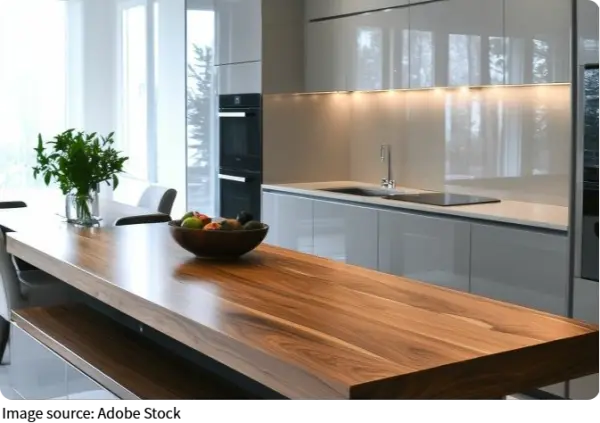
2. Use reflective surfaces such as glass tiles, glossy backsplashes, or mirrored panels to bounce light around the room.
3. Consider under-cabinet LED lighting to brighten countertops and eliminate shadows.
Actionable example: A tiny L-shaped kitchen painted white with a mirrored backsplash instantly felt larger and brighter. The mirrored wall reflected both sunlight and task lighting, making the space more inviting.
Smart Storage Solutions
Clutter is the enemy of small kitchens, so organization is key. Thoughtful storage allows you to keep essential items accessible without crowding counters.
Tips to implement:
1. Use pull-out pantry shelves or sliding racks inside cabinets to maximize depth.
2. Incorporate drawer dividers for utensils, spices, and small appliances to keep them orderly.
3. Consider vertical pull-out cabinets for baking sheets, cutting boards, or cleaning supplies.
For instance, installing a vertical pull-out spice rack in a 6-inch-wide gap between the fridge and counter reclaimed wasted space and kept dozens of spices neatly arranged and easy to access.
Open Layouts and Flexible Zones
Even a compact kitchen and dining area can feel spacious with a thoughtful layout that encourages movement and interaction.
Tips to implement:
1. Position the table near a window or in an unused corner to create a natural dining nook.
2. Keep pathways clear by angling furniture or using smaller chairs without arms.
3. Create visual separation between kitchen and dining areas using rugs or a small shelf rather than walls, maintaining openness.
Practical example: A studio combined a small round table with two stackable chairs in the corner of the kitchen. When not in use, the chairs stacked neatly, and the table could double as extra prep space.
Keep Essentials Accessible
In a small kitchen, every movement counts. Storing items logically reduces unnecessary steps and frustration during cooking.
Tips to implement:
1. Keep frequently used utensils and spices near the stove.
2. Place everyday plates and glasses in lower cabinets or open shelves within arm's reach.
3. Store rarely used items higher up or in hidden storage to avoid crowding the main area.
Actionable example: A homeowner placed commonly used cutting boards and knives in a pull-out drawer next to the prep counter. This small adjustment cut down the time spent walking across the kitchen and made cooking smoother.
A small kitchen and dining space may initially feel limiting, but with the right strategies, it can become both functional and stylish. By using vertical space, choosing multi-purpose furniture, keeping colors light, and organizing smartly, even the tiniest kitchen can feel open, efficient, and welcoming. Every decision—from the angle of a table to the type of cabinet—adds up to a home that's easy to cook in, eat in, and enjoy. The key is embracing flexibility and creativity, proving that big ideas can thrive in small spaces.