Gold Care Guide

Nolan O'Connor
| 16-04-2026
 · Art Team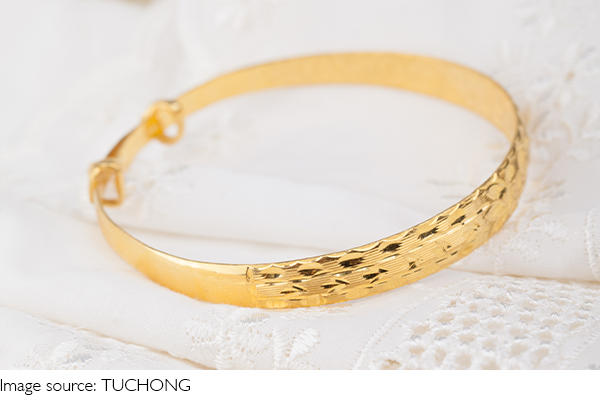
A gold bracelet often starts as a flawless, reflective surface that catches light with every movement. But over time, small scratches, subtle dullness, or unnoticed buildup can change its appearance.
The difference between a piece that stays radiant for years and one that loses its shine is not luck—it's care, storage, and consistent habits.
Why Gold Still Needs Protection
Gold is resistant to rust and corrosion, but it is not immune to physical wear. Daily contact with skin, surfaces, and even air particles can gradually affect its finish. Fine scratches accumulate slowly, often going unnoticed until the surface loses its original smooth reflection.
Understanding this helps shift maintenance from occasional cleaning to everyday awareness.
Daily Wearing Habits That Matter
How you wear a gold bracelet has a direct impact on its long-term condition. Small adjustments in routine can significantly reduce wear.
1. Put it on last
Wear your bracelet after applying lotions, perfumes, or skincare products to avoid residue buildup.
2. Remove during heavy activity
Physical tasks can increase friction and accidental impact, which leads to scratches.
3. Avoid contact with hard surfaces
Desk edges, metal objects, and rough materials can gradually dull the surface.
4. Rotate pieces regularly
Wearing the same bracelet every day increases localized wear patterns.
These simple habits help preserve both shine and structure.
Cleaning Without Damage
Cleaning gold requires a gentle approach. Harsh chemicals or abrasive materials can do more harm than good.
Safe cleaning method:
1. Use lukewarm water with a mild soap solution
2. Soak briefly for a few minutes
3. Gently clean using a soft cloth or brush
4. Rinse thoroughly with clean water
5. Dry completely with a lint-free cloth
Avoid strong detergents or rough scrubbing tools, as they can leave micro-scratches on the surface.
Smart Storage Practices
Proper storage is just as important as daily care. Improper storage is one of the most common reasons gold loses its polished look over time.
1. Store separately
Keep each bracelet in its own pouch or compartment to prevent friction with other jewelry.
2. Use soft lining
Velvet-lined boxes or fabric pouches reduce surface contact and minimize scratches.
3. Avoid humid environments
Excess moisture can affect clasps and storage materials, even if the gold itself remains stable.
4. Keep away from direct sunlight
Long exposure can affect attached materials like gemstones or decorative elements.
Organization plays a key role in long-term preservation.
Handling Clasps and Structural Care
The clasp is often the most delicate part of a bracelet. Frequent opening and closing can gradually loosen its mechanism.
Care tips for durability:
1. Open and close gently without force
2. Check closure tightness periodically
3. Avoid bending or pulling the clasp area
4. Store in a closed position to reduce stress
Paying attention to these small details prevents long-term structural issues.
Avoiding Common Damage Triggers
Many forms of damage happen unintentionally during everyday life.
Key risk factors:
1. Contact with hard surfaces like countertops or metal furniture
2. Exposure to cleaning agents or chemicals
3. Wearing during exercise or manual tasks
4. Storing loose in drawers with mixed items
Being aware of these situations helps reduce avoidable wear.
Long-Term Shine Preservation
Maintaining a gold bracelet is not about intensive effort—it is about consistency. Small, repeated habits preserve its original appearance far more effectively than occasional deep cleaning.
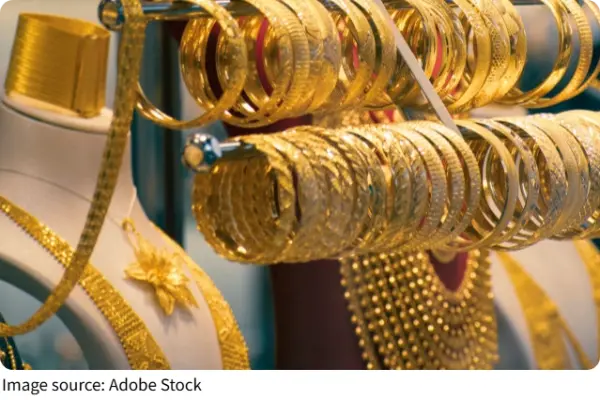
Over time, a well-maintained bracelet does more than retain its shine. It becomes a piece that carries its original character, untouched by unnecessary wear.
In the end, gold does not lose its value easily—but how it looks over time depends entirely on how it is treated. Care, storage, and attention turn a simple accessory into something that lasts with quiet elegance.