Color in Visual Storytelling

Caleb Ryan
| 22-06-2026
 · Movie Team
Hello, Lykkers!
Have you ever noticed how a film's color scheme can stick with you long after the credits roll?
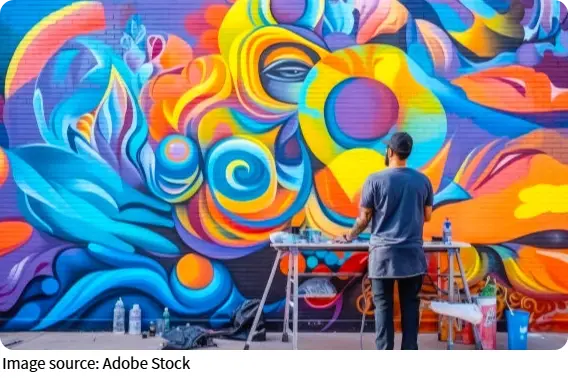
Color remains paramount in differentiating stories, setting the mood, and directing the attention of the audience. It's not just about making things look pretty; it's a deliberate tool that shapes how we feel and what we remember.
Why Color Matters in Film
Color was such an effective tool in visual storytelling that filmmakers were always looking for new ways to incorporate it in movies despite the cost. Even in the early days, when film processes were expensive and rudimentary, creators understood its power. Today, with advanced technology at our fingertips, the possibilities have only expanded. In filmmaking, color is utilized to convey important or complex messages at a subconscious level. It offers a layer of meaning to every scene and adds depth and dimension to a character.
Think about how a warm sunset scene makes you feel nostalgic, or how cold blue tones create distance and isolation. These aren't accidents. The saturation, hue, and value of color are still being applied to depict character relationships, progression, and transformations. Directors, cinematographers, and colorists work together to craft palettes that support the story's emotional arc.
Representing Emotions and Conflicts
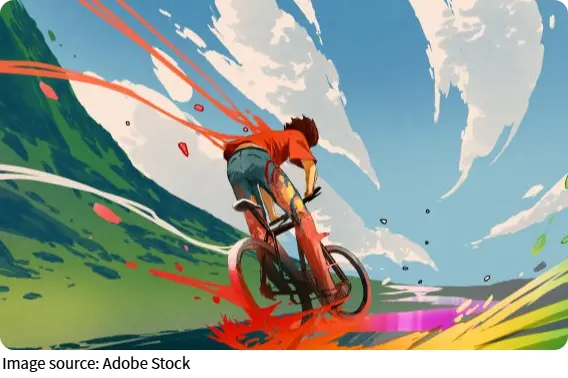
Movies and series use color to represent inner and outer conflicts. Complimentary colors are used suggest the often-positive transitions of a character while contrasting colors mirror a character's strong emotions, usually when the said character is getting the opposite of what s/he needs.
Consider iconic examples from popular franchises. In Star Battles, villains use lightsabers that give an unnerving red glow (Darth Vader, Darth Maul, and Kylo Ren) while the heroes use blue (Obi-Wan Kenobi and Anakin Skywalker) or green (Luke Skywalker and Yoda). Disney has always used dark, dominant colors like black and purple to depict the villains while white, blue, yellow was used to highlight the heroes. These choices aren't random; they're visual shorthand that helps audiences instantly understand character dynamics.
The Art of Restraint
While color is powerful, knowing when to hold back is equally important. One thing to keep in mind, however, is that color is used to enhance a scene. Just because you could add colors in a scene does not necessarily mean you should. Effective visual storytelling requires discipline. Sometimes less is more, and the most impactful moments come from thoughtful restraint rather than overwhelming saturation.
Being adept at controlling this element is key to effective visual storytelling with color and light. It's about understanding when to let a single color dominate, when to create harmony, and when to introduce jarring contrast to signal conflict or transformation.
Color in visual storytelling is more than decoration; it's a language all its own. The next time you watch a film, pay attention to the palette choices. You'll start seeing how every hue, every shift in saturation, is telling you something deeper about the characters and their journey. That's the magic of color: it speaks to us in ways words sometimes can't.